

Heal Yourself
With Traditional Chinese Medicine
Best Sellers
Wildcrafted ancient formulas made to support and heal.
SHOP BY CATEGORY
SHOP BY CATEGORY
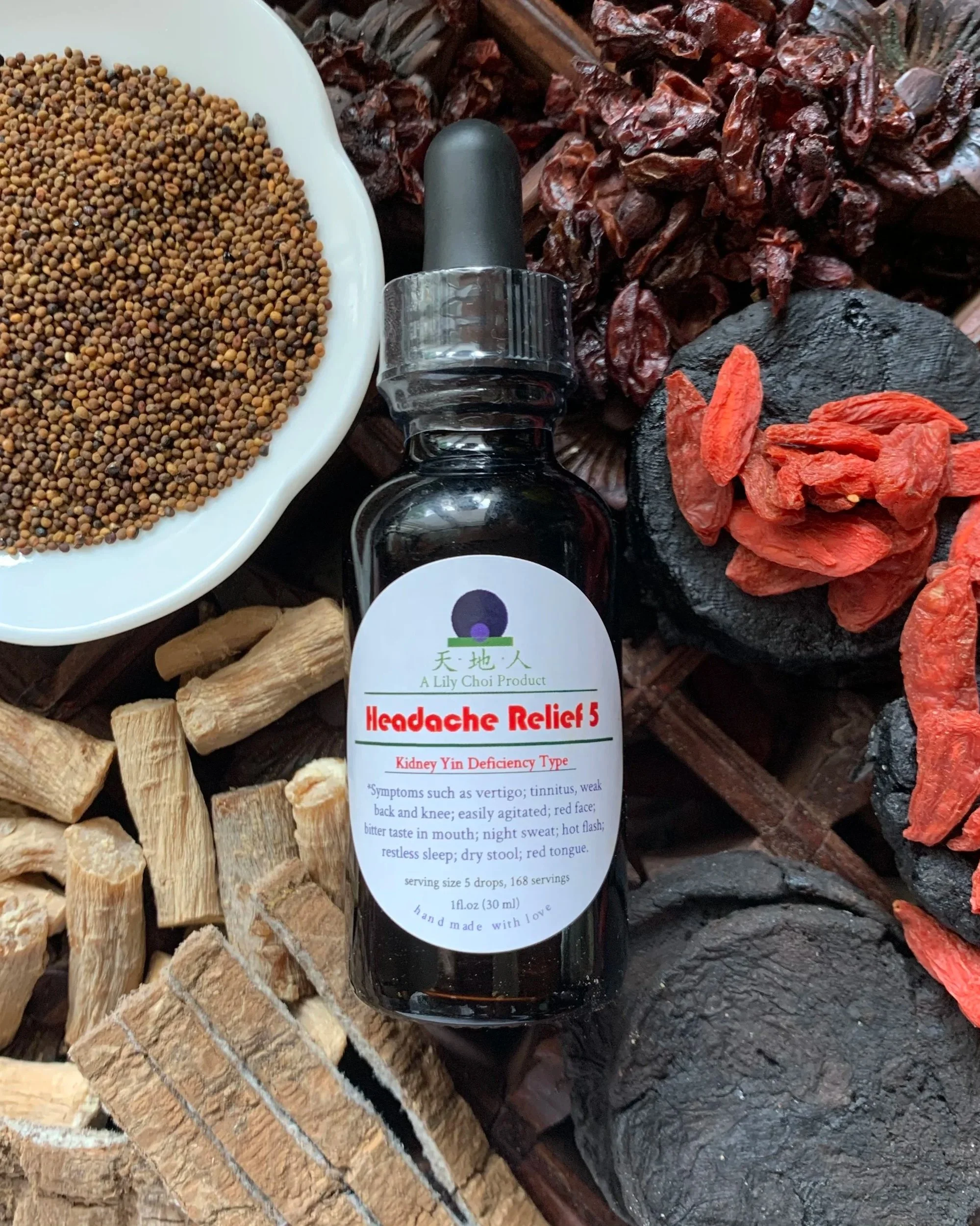
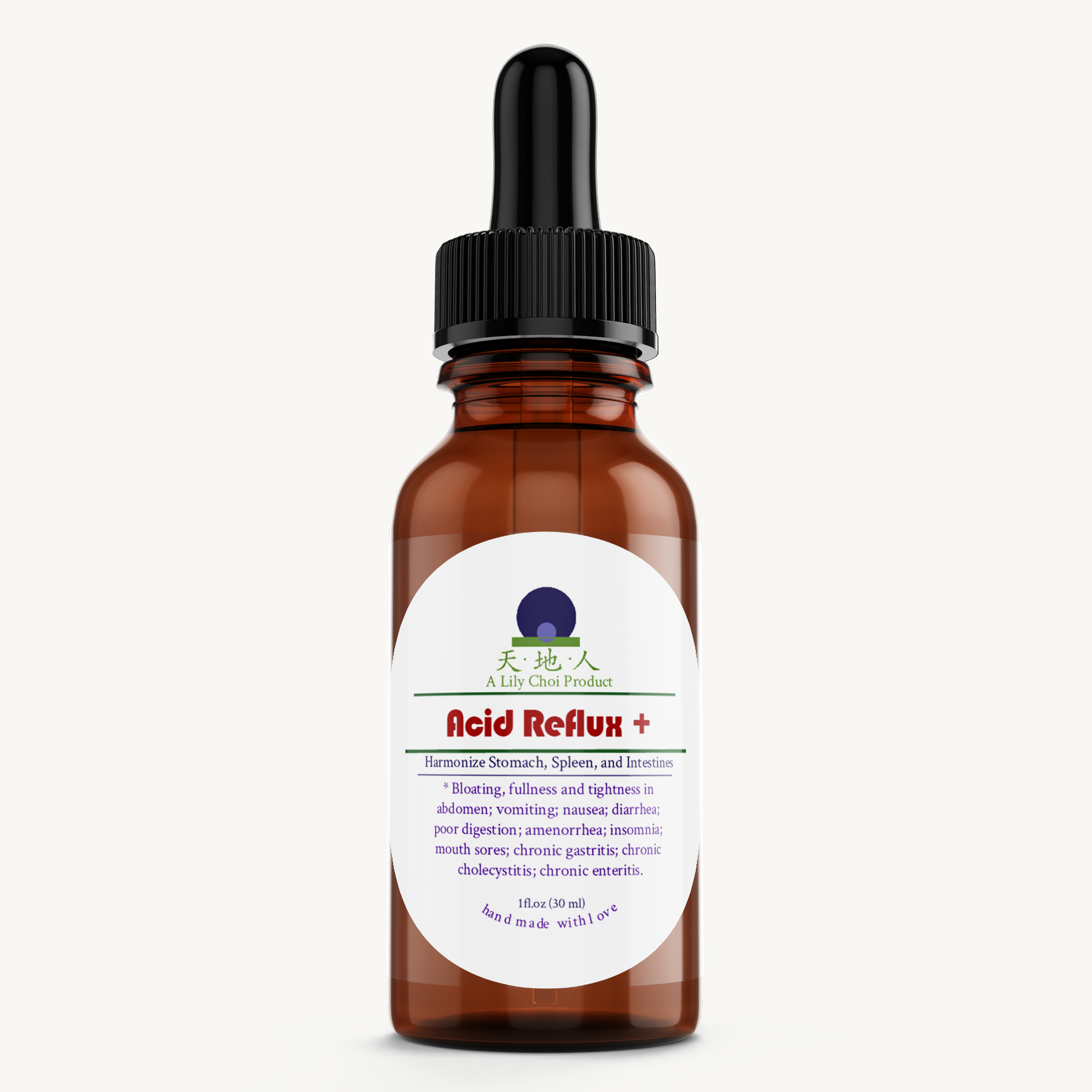
Tinctures

Skin & Body Care

Capsules
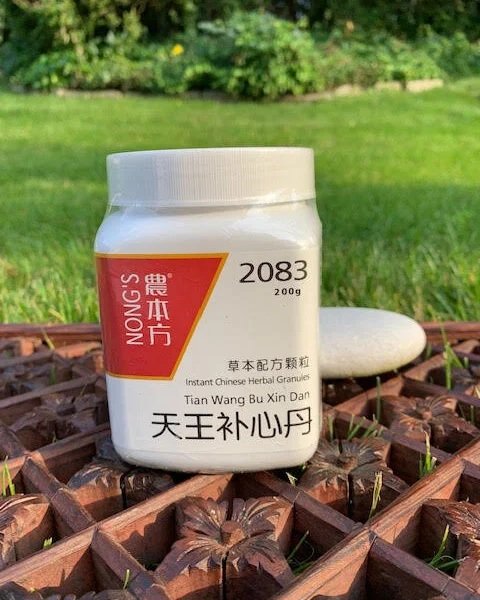
Teas & Powders
Our Best Selling Book!
Find Relief from Chronic Pain, Stress, Hormonal Issues and More with Natural Practices and Ancient Knowledge. If you’ve experienced chronic health issues and felt Western medicine didn’t lead to a lasting cure, let this book set you on the path of healing. Traditional Chinese Medicine (TCM) is an ancient school of thought that has treated illness and disease for centuries, with proven results. 
Virtual Consultation

Start your healing journey with Dr. Lily Choi.
Acupuncture

Eastern medicine has always been seen as a preventative way to health. Practicing in New York, NY.
Dong Quai • Red Date • Goji Berry
A traditional whole-herb tea created to nourish Liver Blood, replenish Qi, and restore the body from within.
Unlike our tincture version of Restore & Revive, this pouch contains the whole herbs themselves, portioned into 5 individual packs for you to simmer slowly at home.
In Traditional Chinese Medicine, Blood is more than something that circulates through the veins. Blood nourishes the muscles, skin, hair, eyes, menstrual cycle, reproductive system, and Shen (spirit). When Blood is abundant, the body feels nourished, grounded, warm, and resilient.
This simple combination of Dong Quai, Red Dates, and Goji Berries has been treasured for generations as a deeply nourishing tea—particularly during times when the body needs replenishment.
BENEFITS
Traditionally used to:
Nourish Liver Blood
Strengthen Qi and replenish the body
Support healthy circulation
Support menstrual and reproductive wellness
Replenish the body after menstruation
Support natural energy without caffeine
Nourish the skin, hair, and eyes
Support the Liver and Kidneys
Warm and nourish the body
Support healthy digestion
Calm and nourish the Shen
Provide antioxidant-rich plant compounds
THE HERBS
DONG QUAI — DANG GUI 当归
Often called the "female ginseng," Dong Quai is one of the most important Blood-nourishing herbs in Traditional Chinese Medicine.
It traditionally nourishes and invigorates Blood, while encouraging healthy circulation. It is especially associated with women's health and is commonly used when Blood nourishment is needed around the menstrual cycle.
RED DATES — DA ZAO 大枣
Sweet, grounding, and deeply nourishing, Red Dates have been used for centuries to strengthen Qi, nourish Blood, and support the Spleen and digestive system.
They bring a naturally gentle sweetness to the tea while helping replenish the body during periods of fatigue, stress, or depletion.
GOJI BERRIES — GOU QI ZI 枸杞子
Goji berries traditionally nourish Liver Blood and Kidney essence and are especially associated with the eyes, skin, healthy aging, and vitality.
Added toward the end of the simmering process, they give the finished tea a beautiful natural sweetness while completing this classic nourishing combination.